The Benefits and Drawbacks of Time-Out Periods

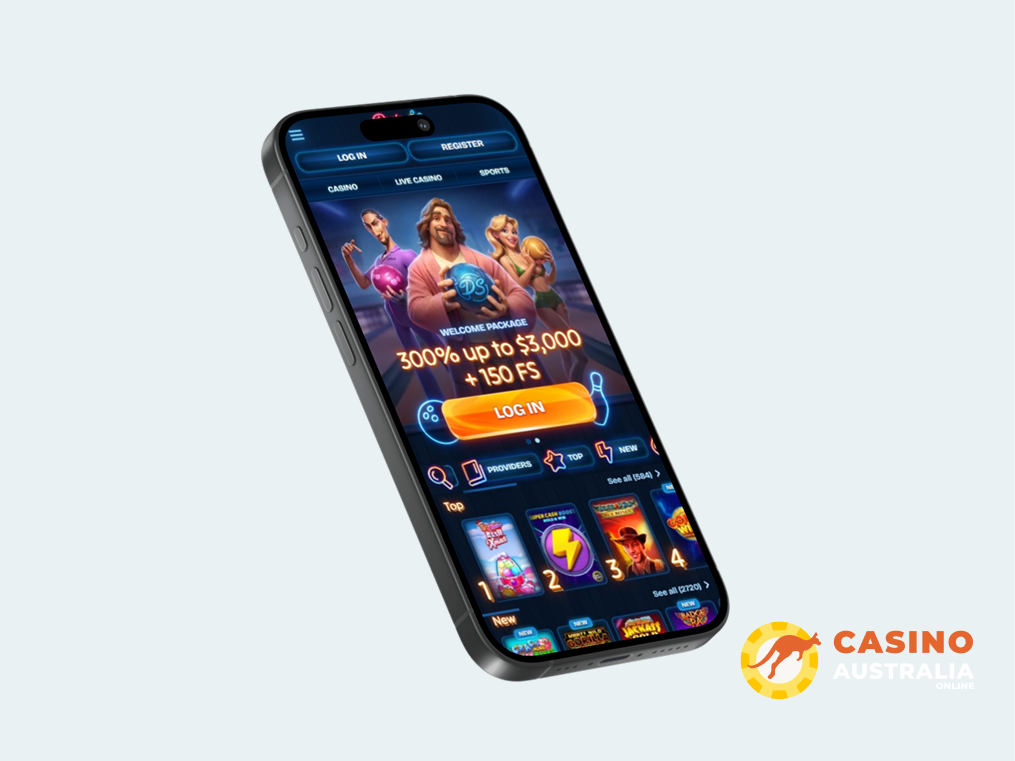
I have spent over a decade counseling players across Switzerland on how to maintain a healthy relationship with online gaming. One tool that consistently generates discussion is the cooling off period, a feature that enables you to momentarily suspend your access to a gaming account for a set number of days, weeks, or months. Unlike permanent self-exclusion, a cooling off period is intended as a short-term circuit breaker. At platforms like DudeSpin Casino, this option stands alongside deposit limits and reality checks as part of a broader responsible gambling framework customized to Swiss players who want to recover perspective without closing the door forever. The mechanism is straightforward: you ask for the timeout, it takes effect immediately or at a scheduled time, and during that window you cannot log in, deposit, or place wagers. Marketing communications also stop. What makes this tool particularly intriguing is its dual nature. It can be a lifesaver for someone caught in a heated moment, yet it can also be misapplied if viewed as a standalone solution rather than one component of a wider self-care strategy. I want to walk you through both sides honestly.
What Exactly Is a Cooling Off Period
A cooling off period is a voluntary, interim block you apply to your own gaming account. The time frame generally extends from a day up to six weeks, varying by the operator and the jurisdiction. In Switzerland, where gambling regulation falls under the Federal Act on Gambling, licensed platforms must offer some form of short-term self-block. When I describe this to clients, I emphasize that it is not a punishment and it is not a mark on your record. It is just a pause button. During the cooling off window, you are unable to access your account for any reason. That means no logging in to check balances, no placing last-minute bets, and no depositing funds on impulse. The system implements the break automatically, eliminating the need for willpower in moments of weakness. I have seen this prove invaluable for people who recognize that their play is drifting from entertainment toward compulsion. The cooling off period establishes a mandatory gap between the impulse to play and the ability to act on it. That gap, even if only a few days long, is sufficient to reset emotional patterns and restore rational decision-making. It is a practical tool that costs nothing and can be enabled in under a minute through your account settings or by contacting customer support directly.
The Swiss Regulatory Context
Switzerland takes a unique approach to gambling regulation that closely affects how cooling off periods work. Under the Federal Act on Gambling, which took effect in 2019, licensed online casinos must implement social protection measures including temporary and permanent self-exclusion options. Swiss casinos are also required to monitor player behavior for signs of problematic gambling and intervene when necessary. This means a cooling off period in Switzerland is not merely a customer service feature; it is part of a legally mandated player protection framework. The Swiss regulatory model also includes a national self-exclusion database, though this primarily applies to permanent exclusions rather than temporary cooling off periods. For players based in cantons like Vaud, Bern, or Ticino, the local enforcement of these regulations adds an extra layer of reliability. When you activate a cooling off period with a Swiss-licensed operator, you can trust that the block will be honored without loopholes. I appreciate this regulatory backbone because it removes ambiguity. The tool does what it says it will do, every time, and operators face real consequences for non-compliance. That reliability is essential for a tool designed to protect vulnerable moments.

Common Mistakes That Compromise Cooling Off Periods
Throughout my experience, I have listed several errors that regularly lessen the impact of cooling off periods. The biggest mistake is selecting a duration that is too short. A twenty-four hour cooling off period rarely gives enough separation for genuine reflection. I suggest a minimum of seven days for any meaningful reset. Another error is starting the cooling off period during a winning streak. While this might seem counterintuitive, some players utilize the tool to secure winnings and prevent returning them. The problem is that this frames the break as a financial strategy rather than a health measure, and it does nothing to address problematic behavior patterns. A third mistake is treating the cooling off period as a punishment. Self-flagellation does not produce lasting change. If you initiate the timeout while experiencing shame and self-disgust, you are prone to return with those same emotions intact, ready to repeat the cycle. Handle the break with self-compassion instead. You are giving yourself a gift of space, not undergoing a sentence. Another pitfall is omitting to block alternative gambling avenues. If you freeze your online account but continue going to land-based casinos in Baden or Montreux, the cooling off period becomes an exercise in self-deception. True commitment means halting all forms of gambling during the timeout window.
How to Maximize the Value of Your Cooling Off Period
Just triggering a break and expecting for it to expire is not adequate. I advise a organized strategy that turns the break into a time of genuine introspection and routine modification. First, write down the particular reasons you are forum.hardware.fr having the pause. Be extremely truthful. Whether it is monetary burden, interpersonal difficulty, or a constant awareness of reduced mastery, identifying the challenge diminishes its influence. Second, dedicate the duration and resources you might have used on playing to something rewarding. If you typically devote two hundred Swiss francs and six sessions per week, channel those funds to a dining meal with companions, a trekking outing in the mountains, or a course that furthers your career. Third, employ the pause to explore alternative anxiety management methods. Many of my patients realize that their gaming was essentially an endeavor to manage worry or monotony. A time-out period provides opportunity to experiment with healthier alternatives like workouts, mindfulness, or imaginative hobbies. Fourth, define specific conditions for resuming. Decide in advance what circumstances would indicate you are prepared to resume participating responsibly. Without these criteria, the conclusion of the time-out phase becomes a standard restart rather than a conscious choice. Finally, consider informing a dependable individual about your pause. Answerability amplifies dedication, and the Swiss communal environment turns this move both instinctive and efficient.
Comparing Cooling Off to Permanent Self-Exclusion
I am frequently asked whether a cooling off period or permanent self-exclusion is the preferable choice. The answer hinges completely on your circumstances. Permanent self-exclusion is a significant, often irreversible decision. In Switzerland, once you self-exclude from a licensed operator, the ban generally lasts a minimum of one year and can be extended indefinitely. Reopening an account later may necessitate formal requests and waiting periods. Cooling off periods, by contrast, are flexible and temporary. They suit someone who still wants the option to return but needs an enforced break to recalibrate. I think of cooling off as maintenance and self-exclusion as major surgery. You do not conduct surgery when a rest will suffice. However, if you have attempted multiple cooling off periods and each one ends with a rapid return to problematic behavior, that points to a deeper issue requiring the stronger intervention of self-exclusion. At DudeSpin Casino, both options are available and clearly explained, allowing Swiss players to escalate their response as needed. The key is honest self-assessment. If you fear the end of a cooling off period and count down the days, that reaction holds valuable information about your relationship with gaming. Heed it.
When a Cooling Off Period Is Most Effective
In my professional experience, cooling off periods are most useful when used preemptively rather than after the fact. The ideal candidate recognizes early warning signs and applies the break before a crisis occurs. For example, if you notice that your weekly deposits have risen steadily for three consecutive weeks, a short cooling off period can interrupt that trajectory before it becomes a pattern. I also witness excellent results when the timeout is combined with a specific goal. One client of mine used a ten-day cooling off period to complete a work project that had been delayed by late-night gaming sessions. By tying the pause to a concrete outcome, the break felt purposeful rather than penalizing. The tool is also very effective during major life transitions. Moving to a new city, starting a new job, or handling a relationship change can all increase vulnerability to excessive gaming. A preventive cooling off period during these windows can avoid the development of unhealthy coping mechanisms. Swiss players who are frequent travelers for business also profit from activating a cooling off period before trips, eliminating the temptation to fill lonely hotel evenings with unplanned gaming sessions. The timing and purpose make the difference between a cooling off period that resets behavior and one that merely defers it.
Integrating Cooling Off Periods Into a Broader Strategy
A cooling off period must not stand alone https://dudespinch.com/fr-ch/responsible-gambling/. I invariably position it as one element within a thorough responsible gambling plan. Deposit limits form the foundation. By capping how much you can transfer into your account each day, weekly, or monthly, you create a structural barrier that operates continuously, not just during breaks. Reality checks, which display session duration and expenditure at regular intervals, supplement cooling off periods by keeping you aware in real time. Session time limits prevent the slow drift from one hour into five. Together, these tools build a layered defense. The cooling off period acts as the emergency brake, while the other measures operate as the everyday steering and acceleration controls. For Swiss players who desire to maintain gaming as a recreational activity, this integrated approach provides the best chance of sustainable balance. At DudeSpin Casino, the responsible gambling dashboard brings all these controls into one interface, making it simple to adjust your protections as your circumstances change. I also advise clients to schedule periodic self-reviews, perhaps quarterly, where they analyze their gaming data and assess whether current limits and breaks remain appropriate. Proactive management outperforms reactive crisis response every time.
The concealed downsides few mention
Despite its utility, a cooling off period involves risks that I feel obligated address. The first is the rebound effect. Some individuals view the timeout like a deprivation period and return with heightened urgency the moment it lifts. I have seen cases where a player doubled their usual deposit amount within hours of a cooling off period ending, as if compensating for lost time. This pattern can be more harmful than no break at all because it strengthens a binge-restrict cycle. Another downside is the false sense of security. Activating a cooling off period can feel like performing meaningful action, and it is, but it does not tackle the underlying reasons the break became necessary. If emotional triggers, financial stress, or loneliness drove the excessive play, those factors remain untouched by a simple account suspension. A third concern is practical. During a cooling off period, you may still get promotional materials from other platforms if you hold multiple accounts. In Switzerland, the barrier between legal and unregulated offshore sites means a determined player can simply shift elsewhere. The cooling off period at one venue becomes pointless if the behavior continues unmonitored on another site. I always counsel clients to see the cooling off period as a tactical pause, not a strategic solution.
The Evident Advantages of Hitting Pause
The most immediate benefit I observe is the halting of a losing streak. When an individual chases losses, the logical part of the brain gets overridden by an urgent need to regain money. A cooling off period breaks that cycle cold. Without access to the platform, the chasing behavior simply cannot continue, and after a few days the emotional intensity usually fades. Another advantage is the return of time. Online gaming can consume hours that were originally intended for family, work, or hobbies. A two-week break often shows just how much space gaming was occupying. Clients in Geneva and Zurich have told me that a cooling off period aided them rediscover evening routines they had abandoned. There is also a financial upside. Every day you cannot deposit is a day your bank balance remains untouched. Over a month-long timeout, that can translate into significant savings. From a psychological standpoint, successfully completing a cooling off period develops self-efficacy. You prove to yourself that you can step away and nothing catastrophic happens. That proof is powerful. It reduces the fear of missing out and bolsters your confidence that you control the activity, not the other way around. For Swiss players who value structure and discipline, this tool fits well with a methodical approach to personal management.
Detecting When a Cooling Off Period Is Insufficient
There are circumstances where a short pause cannot sufficiently resolve the severity of the problem. I have learned to spot the red flags that signal a necessity for more thorough intervention. If you encounter withdrawal symptoms during a cooling off period, such as irritation, restlessness, or fixations about gambling, those are red flags. If you find yourself creating new accounts with different operators to bypass the timeout, that action indicates a lack of control that short-term solutions cannot control. If your financial situation has worsened to the stage where you are taking loans or parting with belongings to fund gaming, a break is inadequate. In these cases, I recommend permanent self-exclusion combined with professional assistance. Switzerland offers several resources for gambling addiction, including the Centre du Jeu Excessif in Lausanne, the Fachstelle Glücksspielsucht in Zurich, and the national helpline. These organizations provide counseling, therapy, and sometimes financial advice. There is no stigma in stepping up your reaction. A cooling off period that continually falls short is not a character flaw; it is information indicating that the approach does not match the problem. Listen to that information and modify in response.
Frequently Asked Questions
What is the recommended duration for a cooling off period to work?
I suggest a minimum of seven days for any meaningful reset. Shorter periods, such as twenty-four or forty-eight hours, hardly ever provide enough space to break emotional patterns. A two-week cooling off period gives a solid balance, giving you time to notice how you feel without gaming and to set up alternative activities. For deeper issues, a thirty-day break permits more thorough reflection and habit disruption.
Can a cooling off period be reversed once activated?
No, and this is by design. Once activated, a cooling off period cannot be undone or shortened. The irrevocability is essential to the tool’s effectiveness. If cancellation were possible, the cooling off period would lose its power as a circuit breaker, because the impulse that triggered the need for a break would also trigger its cancellation. The enforced nature protects you leparisien.fr from your own momentary weakness.
Will a cooling off period affect my account status or loyalty rewards?
Your account remains untouched during a cooling off period. Balances, loyalty points, and reward tier status are preserved exactly as they were when the timeout began. You do not lose any accumulated benefits. Once the cooling off period expires, you can log in and resume playing with everything in place. The tool is designed to pause activity, not punish you for taking a responsible step.
What exactly is the difference between a cooling off period and establishing deposit limits?
Deposit limits restrict how much money you can move into your account over a set timeframe, but you can still log in, play with existing funds, and interact with the platform. A cooling off period prevents all access entirely for a fixed duration. Deposit limits are continuous operational controls, while a cooling off period is a temporary complete shutdown. Both tools work best when used together as part of a comprehensive protection strategy.
Where can I find help in Switzerland if a cooling off period is not enough?
Switzerland provides several professional resources. The national helpline for gambling addiction provides confidential support in multiple languages. Regional centers encompass the Centre du Jeu Excessif in Lausanne, Fachstelle Glücksspielsucht in Zurich, and similar services in other cantons. These organizations provide counseling, therapy referrals, and sometimes financial advice. Your general practitioner can also offer referrals to appropriate mental health professionals specializing in behavioral addictions.